Link to your individual collections by creating a new linklist in the Navigation section of the admin.
You can then have it appear here by choosing your new linklist under Customize Theme / Sidebar.

Show 1476: Tell Me Where It Hurts: A Roadmap for Managing Chronic Pain
Pain is an important warning signal, helping you protect your body from damage. That’s why we can view acute pain as an asset. Chronic pain, though, can be debilitating. In this episode, a pain psychologist offers a roadmap for managing chronic pain.
At The People’s Pharmacy, we strive to bring you up to date, rigorously researched insights and conversations about health, medicine, wellness and health policies and health systems. While these conversations intend to offer insight and perspective, the content is provided solely for informational and educational purposes. Please consult your healthcare provider before making any changes to your medical care or treatment.
Managing Chronic Pain
Nobody likes feeling pain. Joe remembers that as a child, he would ask the doctors and nurses if the procedure was going to hurt. They always lied and told him it would not. As a result, he ended up not trusting them.
We often think of pain as located in the body part that hurts (hence, tell me where it hurts). In actuality, though, pain is a complex phenomenon the brain and its interpretation of the situation at least as much as the body. That is why Dr. Rachel Zoffness maintains that pain is biopsychosocial–the result of three overlapping circles in a Venn diagram: biological, psychological and sociological. The biological circle includes our genetics, tissue damage, diet, sleep and movement. Psychological factors are never just psychological. The brain uses the same limbic system to process emotions and pain, so our feelings about our situation have a major impact on our pain experience. In the sociological realm, we find access to care, a history of trauma, and factors like racism or poverty. One result is that pain is incredibly subjective, varying from one individual to another and even from day to day.
Another example of the power of the brain to generate pain is phantom limb pain. You may have heard of someone whose foot hurts even though the leg was amputated. Dr. Zoffness tells us about a boy with hand pain after a fireworks accident that resulted in his arm being amputated. The hand wasn’t there, but the pain was real.
What Is Your Pain Recipe?
In managing chronic pain, it helps to know what your pain recipe is. What factors contribute to a bad pain day? A few common ones are poor sleep, too much junk in the diet, lots of stress, too little movement. Once you have the recipe for a bad pain day, you may be able to turn that around to find the recipe for a low pain day. If you get enough sleep, does that turn down the pain dial? How about diet?
We also discuss the power of self-hypnosis and biofeedback. If you can practice warming your hands up, as Dr. Zoffness has learned to do, you can also practice making yourself more comfortable. She shares another story of a teenager who suffered from crippling migraines, social anxiety and generalized body pain. He had not been to school in years, but taking very small steps at first–just standing in the sun on his front porch–he was gradually able to build himself a low-pain recipe. Taking the dog to the dog park helped him move his body and his brain started producing chemicals like dopamine and serotonin. Eventually Sam was able to return to high school, even graduating.
Using Pain Medicines in Managing Chronic Pain
Physicians have often learned that managing chronic pain is something of a prescription puzzle. Which drug will work best for this patient? A decade or more ago, the answer was frequently opioids. That’s no longer the case. As a result of the overdose epidemic, doctors usually try to prescribe some other type of medication. Two of the most popular are gabapentin and tramadol.
When our listeners tell us about their experience with gabapentin, the results range widely. For some people, it seems to be a life-changing medication. For many others, it is lackluster at best, and for some, the side effects of brain fog, dizziness, breathing problems, edema and an increased risk of dementia are too much.
Dr. Zoffness has heard similar reports about gabapentin. Her guideline for pain medicine is to try it for three months and see if it makes a (positive) difference. If not, ask the prescriber to help you taper off. Stopping any pain medicine suddenly could be a mistake. For managing chronic pain, people need a healthcare professional who can help them create a personalized pain management plan. For improving sleep, which is often a key ingredient in the pain recipe, she recommends cognitive behavioral therapy for insomnia (CBTI). The sleep hygiene protocol she suggests can also be helpful, dimming lights and gearing down as the day comes to a close.
The Roadmap for Managing Chronic Pain
The last section of Dr. Zoffness’s book is a detailed pain protocol. She reminds us that there is no quick hack for pain. If trauma is part of the pain recipe, addressing the trauma will be useful. Medications are important tools, but they are not a permanent fix for chronic pain. She wants us all to remember that if the brain can change, pain can change. It is in our power.
This Week's Guest
Dr. Rachel Zoffness is a leading global pain expert, pain psychologist, speaker, author, and thought leader in pain medicine. She is faculty at the UCSF School of Medicine, teaches pain science at Stanford, and is a winner of the prestigious Mayday Fellowship. Dr. Zoffness is the author of Tell Me Where It Hurts: The New Science of Pain and How to Heal. Her website is www.zoffness.com
[caption id="attachment_140251" align="alignnone" width="768"]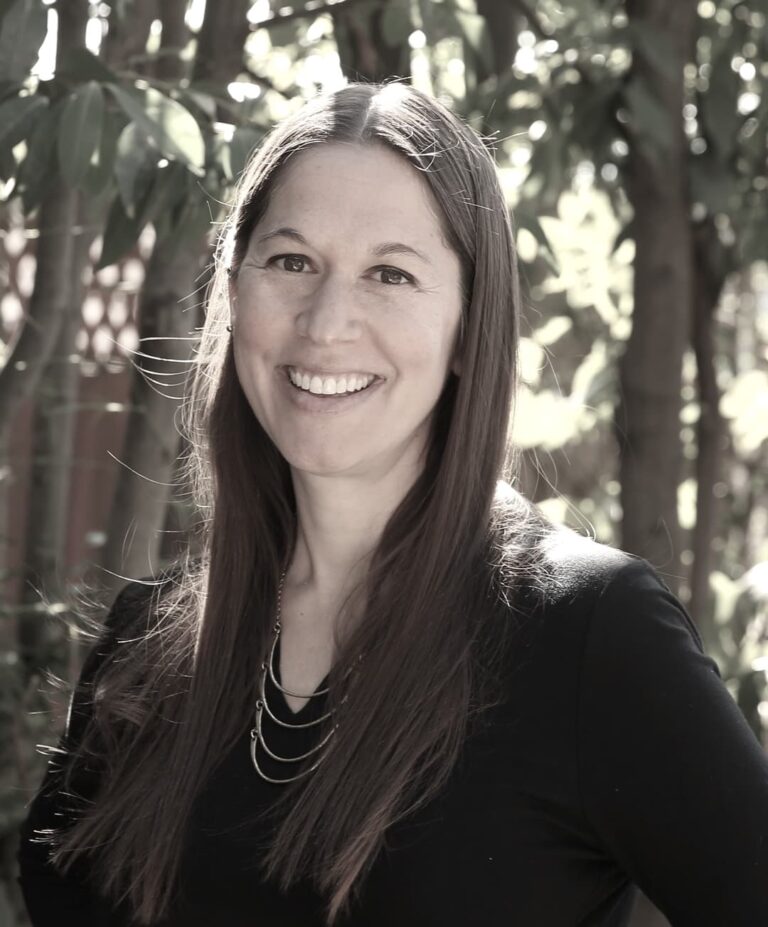 Dr. Rachel Zoffness, pain expert at UCSF[/caption]
The People’s Pharmacy is reader supported. When you buy through links in this post, we may earn a small affiliate commission (at no cost to you).