Link to your individual collections by creating a new linklist in the Navigation section of the admin.
You can then have it appear here by choosing your new linklist under Customize Theme / Sidebar.

Show 1484: Change Your Diet, Heal Your Mind
Do you suffer with anxiety, depression, or another mental illness? Millions of people do. The usual treatment is a prescription medication. If that doesn’t work, the healthcare provider may offer a different one. Diet is certainly not the first topic on the provider’s mind. But what if, in addition to appropriate pharmacological treatment, you were able to nourish, protect and energize your brain with your diet? Our guest offers evidence that you can heal your mind with a ketogenic approach to eating.
We need to acknowledge that this approach is quite different from the plant-rich eating pattern advocated by last week’s guest, Dr. Will Bulsiewicz. Humans around the world have adopted a wide range of dietary regimens that support health. Listen to Dr. Georgia Ede explain why she thinks a paleo or ketogenic diet is helpful for bolstering brain health.
At The People’s Pharmacy, we strive to bring you up to date, rigorously researched insights and conversations about health, medicine, wellness and health policies and health systems. While these conversations intend to offer insight and perspective, the content is provided solely for informational and educational purposes. Please consult your healthcare provider before making any changes to your medical care or treatment.
Can You Heal Your Brain with Food?
We live in stressful times. More than 50 million Americans take prescription antidepressants, and millions more are on anti-anxiety medication. Unfortunately, while these drugs can be life savers, they don’t always work as well as we would like. In some cases, antidepressants are only about 10 percent more effective than a placebo.
Dr. Georgia Ede is a psychiatrist who began her investigation into how food affects mental health serendipitously. She was experimenting with her own diet to address some physical health issues. She used a food and symptom journal to discover the best dietary choices for her own health. To her surprise, the “upside-down” diet that helped her feel better physically also improved her sleep and her ability to focus. She started looking into evidence that a paleo or ketogenic diet could benefit people with mental health challenges.
What Is Metabolic Psychiatry?
There is evidence that people consuming unhealthy diets full of fast food or ultra-processed products are more susceptible to symptoms of anxiety (Nutrition Neuroscience, May 19, 2026). On the other hand, people participating in a supervised weight-loss program using either a low-carbohydrate ketogenic diet or a low-fat diet reported improvements in mood (Obesity, Jan. 2007). Those on the ketogenic (Atkins) diet reported less hunger and fewer unpleasant symptoms.
Researchers have also tested a ketogenic diet in people with schizophrenia or bipolar disorder (Psychiatry Research, May 2024). These volunteers also had metabolic disorders, including obesity, which is often an unwanted effect of the ant-psychotic drugs they take to treat their condition. This four-month pilot study saw participants lose weight, reduce insulin resistance and lower their triglycerides. Even more impressive, they had a 32 percent reduction in the Brief Psychiatric Rating Scale. They also reported better sleep and improved life satisfaction.
How Does Food Affect Our Brains?
Most of our body tissues are accustomed to getting energy from glucose, with the help of insulin. However, years of exposure to high levels of these compounds often makes the tissues less sensitive to the effects of insulin. The consequence is that the body–and therefore also the brain–is flooded with high levels of glucose. This exposure can result in the formation of advanced glycation end products in the brain, which can be harmful.
The brain evolved to use either glucose or a flexible mix of glucose and ketones. These are the result of burning fat rather than sugar. A paleo diet will naturally provide more ketones and less glucose. Dr. Ede and colleagues have found that a ketogenic diet can be very helpful even for people with relatively serious mental problems. In one study (which was not placebo-controlled), patients hospitalized with severe persistent mental illness were given a ketogenic diet. Most did well and had significant improvements in their depression and psychosis symptoms (Frontiers in Psychiatry, July 6, 2022).
Is Ketosis Dangerous?
Ketosis itself simply means that you are burning fat as fuel rather than sugar. This can be achieved by following a diet that is high in animal fat, with moderate amounts of animal protein and low amounts of carbohydrate derived from plant foods. Ketosis is not inherently dangerous. However, Dr. Ede urges anyone who wants to heal their brain with diet to ask a healthcare provider to monitor and supervise the process. Prescription drug doses may require adjustment, and people may need support as they adopt a paleo or ketogenic diet. That is why this is not a do-it-yourself approach.
Is Coconut Oil Helpful to Heal Your Brain?
Dr. Ede described the benefits of medium-chain fatty acids produced in digesting fat. You may recall a video from a few years back in which a doctor described helping her husband recover from Alzheimer disease, at least partially, by giving him coconut oil. Some researchers consider Alzheimer disease to be a form of diabetes because the AD brain does not metabolize sugar effectively. Dr. Ede suggested that the benefits may be real, but getting medium-chain fatty acids from the diet rather than be taking coconut oil might be preferable. After Dr. Ede told us about Fran, who overcame significant memory problems by changing to a ketogenic diet, we hope there will be trials on this.
Future Trials on Diet to Heal Your Brain
Dietary trials are notoriously difficult to conduct. People often don’t stick to the prescribed diet, and it can be difficult to find an appropriate placebo for comparison. Nonetheless, Dr. Ede is looking forward to results from a large trial of the keto diet for people with schizophrenia or bipolar disorder. This study is being conducted in Australia.
This Week's Guest
Dr. Georgia Ede is a globally recognized expert in nutritional and metabolic psychiatry. Her 25+ years of clinical experience include 7 years at Harvard University, where she was the first psychiatrist to offer nutrition-based approaches to mental health conditions. Dr. Ede co-authored the first inpatient study of the ketogenic diet for serious mental illness, developed the first medically accredited course in ketogenic diets for mental health, and is a recipient of the Baszucki Metabolic Mind Award. Current research collaborations include pilot studies in pediatric bipolar disorder, adult ADHD, and PTSD. Her internationally bestselling book Change Your Diet, Change Your Mind: A Powerful Plan to Improve Mood, Overcome Anxiety, and Protect Memory for a Lifetime of Optimal Mental Health is being translated into 11 languages and is recommended by the New York Times Book Review.
The People’s Pharmacy is reader supported. When you buy through links in this post, we may earn a small affiliate commission (at no cost to you).
[caption id="attachment_141177" align="alignnone" width="768"]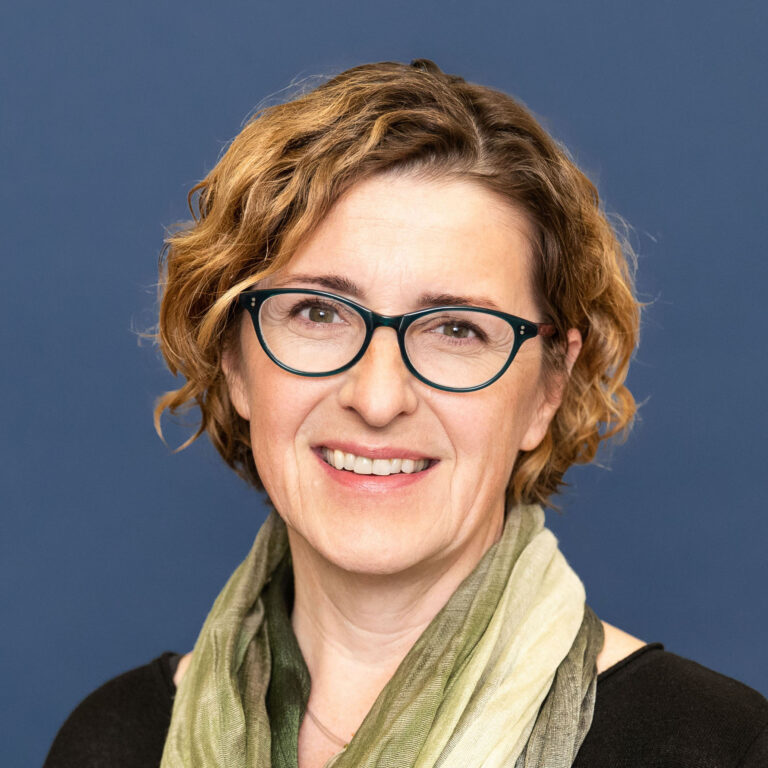 Dr. Georgia Ede, author of Change Your Diet, Change Your Mind[/caption]